
The Debate Over the British Empire's Legacy: MSMN News
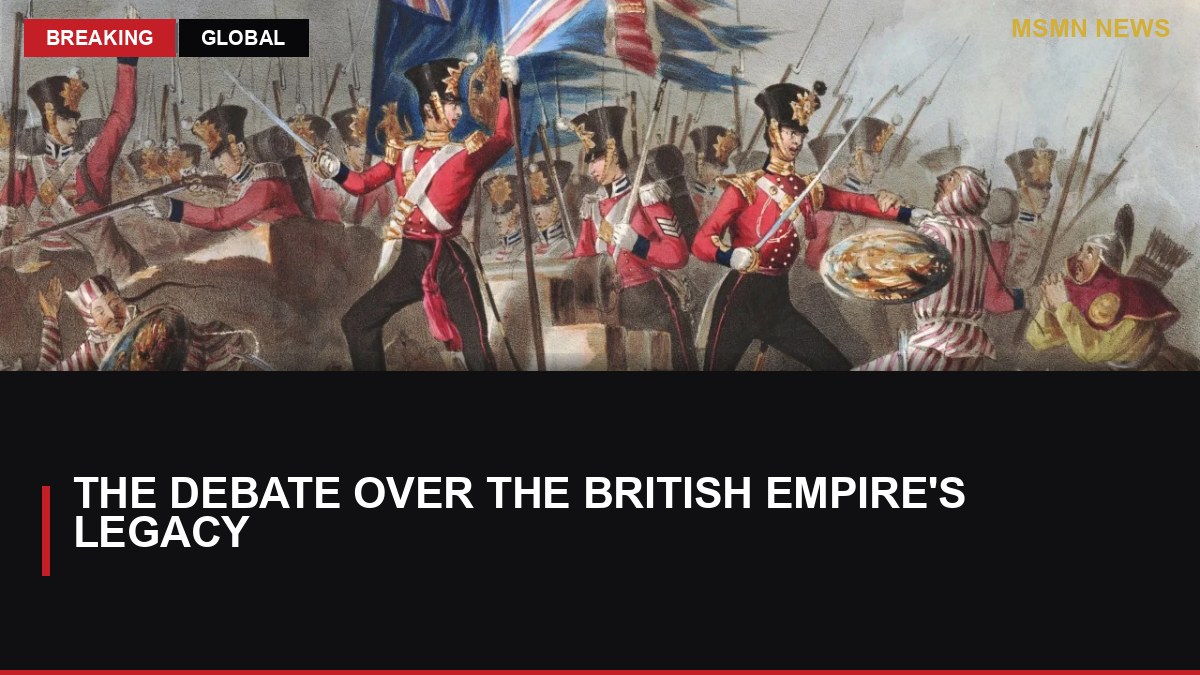
Jameela Jamil's provocative comments about the British Empire have reignited discussions about its historical legacy, colonialism, and the ongoing impact on former colonies.
Introduction
The legacy of the British Empire has long been a topic of heated debate, and a recent comment from British actress Jameela Jamil has brought this discussion back into the spotlight. Jamil, known for her roles in various television shows and her outspoken views on social issues, stirred controversy during an interview on the pop culture podcast Yestergays. Her remarks, which labeled the British as "the most evil people in history," have sparked significant public discourse about the empire's history of colonization and its lasting effects on former colonies.
The Controversial Statement
During her appearance, Jamil expressed her frustration with the perception of British people, particularly among Americans, who often view them as charming and polite. She countered this notion by comparing the British to the infamous Marvel villain Thanos, stating, "They owe 43 trillion to India... We colonised the world." This statement, while provocative, reflects a growing sentiment among some historians and activists regarding the financial and cultural debts owed to countries that were once part of the British Empire.
Jamil's comments have reignited discussions about the moral implications of Colonialism, prompting both support and backlash from various quarters. Some listeners applauded her for speaking out against what they perceive as a sanitized view of British history, while others criticized her for oversimplifying complex historical events. The intensity of the reactions highlights the emotional weight carried by discussions surrounding colonialism and its repercussions.
Historical Context of the British Empire
To understand the weight of Jamil's remarks, it is essential to examine the historical context of the British Empire. At its height, the empire was the largest in History, spanning territories across North America, Africa, Asia, and the Caribbean. The empire's expansion was often marked by violence, exploitation, and the systematic dismantling of indigenous cultures.
The economic impact of colonization was profound. Countries like India were subjected to resource extraction that benefited Britain at the expense of local populations. The British Raj, which lasted from 1858 to 1947, is often cited as a period of significant hardship for many Indians, characterized by famines, poverty, and social upheaval. Scholars like Utsa Patnaik have estimated that the economic drain from India to Britain during this time is staggering, with figures often cited in the trillions. This economic exploitation has led to long-lasting disparities that continue to affect former colonies today.
Public Reaction to Jamil's Comments
The public's response to Jamil's remarks has been mixed. On social media, many users have expressed agreement with her sentiments, sharing articles and historical accounts that support her claims. The hashtag #BritishEmpire has trended on platforms like Twitter, with users engaging in discussions about colonialism's legacy and its implications for modern society.
However, not all reactions have been positive. Some critics argue that Jamil's comments are overly broad and ignore the complexities of history. They contend that while the British Empire did commit numerous atrocities, it also contributed to advancements in infrastructure, education, and governance in some regions. This perspective highlights the ongoing debate about the duality of colonial legacies, where both positive and negative outcomes coexist. The challenge lies in reconciling these differing views while acknowledging the pain and suffering caused by colonial rule.
The Role of Education in Historical Narratives
Jamil's comments underscore a significant gap in how history is taught, particularly in the UK. Many educational institutions have been criticized for presenting a Eurocentric view of history that downplays the darker aspects of colonialism. As a result, there is a growing call for a more inclusive curriculum that addresses the full scope of the British Empire's impact on the world.
Advocates for reform argue that understanding the complexities of colonial history is crucial for fostering a more informed and empathetic society. They stress the importance of acknowledging historical injustices and their lasting effects on contemporary issues, including economic disparities and cultural tensions. This push for educational reform is not just a matter of academic interest; it has real-world implications for how societies move forward in addressing historical grievances and building equitable futures.
The Financial Implications of Colonialism
One of the most contentious aspects of the debate revolves around the financial Reparations owed to former colonies. Jamil's mention of a $43 trillion debt to India reflects a broader discussion about reparations and accountability. Many activists argue that former colonial powers should take responsibility for the economic damage inflicted upon colonized nations.
This conversation is not limited to India. Countries across the Caribbean, Africa, and Asia have begun to demand reparations for the injustices of colonial rule. The call for reparations has gained traction in recent years, with movements advocating for financial compensation and acknowledgment of historical wrongs. However, the issue remains complex, with many governments hesitant to engage in discussions about financial reparations. The debate often centers around issues of fairness, accountability, and the moral obligations of current generations toward those who suffered under colonial regimes.
The Future of the Debate
As the conversation surrounding Jamil's comments continues to evolve, it is clear that the legacy of the British Empire will remain a contentious topic. The debate has prompted calls for greater awareness and education about colonial histories, as well as discussions about how societies can move forward while acknowledging past injustices.
In the UK and beyond, public interest in this topic shows no signs of waning. As more individuals engage with the history of colonialism, the potential for meaningful dialogue increases. The challenge will be to navigate these discussions in a way that acknowledges the complexities of history while fostering a more inclusive understanding of the past. Activists and historians alike are calling for a reckoning with history that allows for healing and reparative justice.
Conclusion
Jameela Jamil's recent comments have opened a Pandora's box regarding the legacy of the British Empire. As public discourse continues to unfold, it is essential for society to confront the historical realities of colonialism and its implications for the present. The ongoing debate serves as a reminder that history is not merely a collection of facts, but a living narrative that shapes our understanding of justice, equity, and responsibility in the modern world. As discussions about reparations, education, and historical accountability gain momentum, it is crucial for society to engage in these conversations thoughtfully and respectfully, acknowledging the complexities and nuances of a shared history that continues to affect millions today.
News briefing / Source
Reporting by MSMN News, based on publicly available source material.
Source: SCMP China
Reference link: https://www.scmp.com/opinion/world-opinion/article/3362778/how-evil-was-british-empire-centuries-theft-and-destruction?utm_source=rss_feed

Comments